Category: Climate change

  • Genomic Surveillance in Action: CPM I’ntl Researcher Selected for AMR Conference in South Africa

    Genomic Surveillance in Action: CPM I’ntl Researcher Selected for AMR Conference in South Africa

    Scientific progress thrives at intersections. When human health, animal health, and environmental systems overlap, microbes evolve, resistance spreads, and the need for intelligent surveillance becomes urgent.

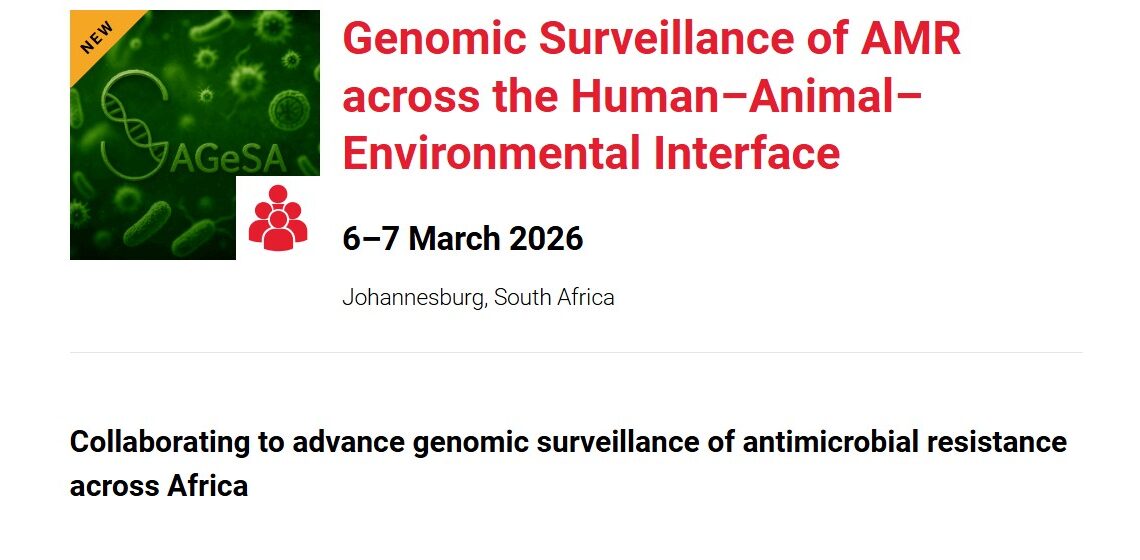
    The CPM Research Institute for Climate Health is proud to announce that Mr. Eniola Akoledowo has been selected to present his research at the Genomic Surveillance of AMR across the Human–Animal–Environmental Interface meeting, taking place 6–7 March 2026 in South Africa hosted by Wellcome Connecting Science, located at the Wellcome Genome Campus, United Kingdom. 

    His abstract, titled: “Genomic and One Health Assessment of Multidrug-Resistant Salmonella spp. from Abattoirs in Southwestern Nigeria: Implications for Surveillance Across the Human, Animal and Environmental Interface.”

    has been officially accepted for an in-person poster presentation.

    This recognition places research emerging from Southwestern Nigeria within a global scientific dialogue on antimicrobial resistance (AMR), one of the most pressing biological threats of our time.

    Why This Research Matters

    Antimicrobial resistance is not confined to hospital wards. It moves silently through food systems, livestock, water sources, and communities. Abattoirs represent a critical surveillance point where animal pathogens can cross into human populations. Studying multidrug-resistant Salmonella species within this context provides essential insights into how resistance genes circulate across ecological boundaries.

    Mr. Akoledowo’s work applies genomic analysis within a One Health framework — an approach that recognizes that human health is inseparable from animal and environmental health. By integrating molecular data with environmental and public health perspectives, this research contributes to building surveillance systems capable of detecting emerging resistance before it becomes unmanageable.

    The Wellcome event focuses on genomic tools for AMR surveillance across interconnected systems. Being selected to present at this meeting underscores the scientific relevance and methodological rigor of the work conducted at CPM Research Institute for Climate Health.

    This invitation signals more than conference participation. It represents international recognition of Nigerian-led genomic research and its contribution to global AMR monitoring strategies.

    Strengthening Climate-Health and One Health Synergy

    Climate variability, agricultural practices, antibiotic usage in livestock, and environmental contamination all shape resistance patterns. Effective surveillance must therefore be interdisciplinary, data-driven, and globally collaborative.

    By presenting this research at the Wellcome Genome Campus, CPM Research Institute strengthens its commitment to advancing climate-health science through genomic innovation and One Health integration.

    We congratulate Mr. Eniola Akoledowo on this achievement and celebrate the growing international visibility of climate-linked infectious disease research emerging from Nigeria.

    Pathogens do not respect borders. Surveillance cannot afford to either.
  • Advancing Climate-Health Science: Three CPM Int’l Research Associates Head to ISPPD-14 in Denmark

    Advancing Climate-Health Science: Three CPM Int’l Research Associates Head to ISPPD-14 in Denmark

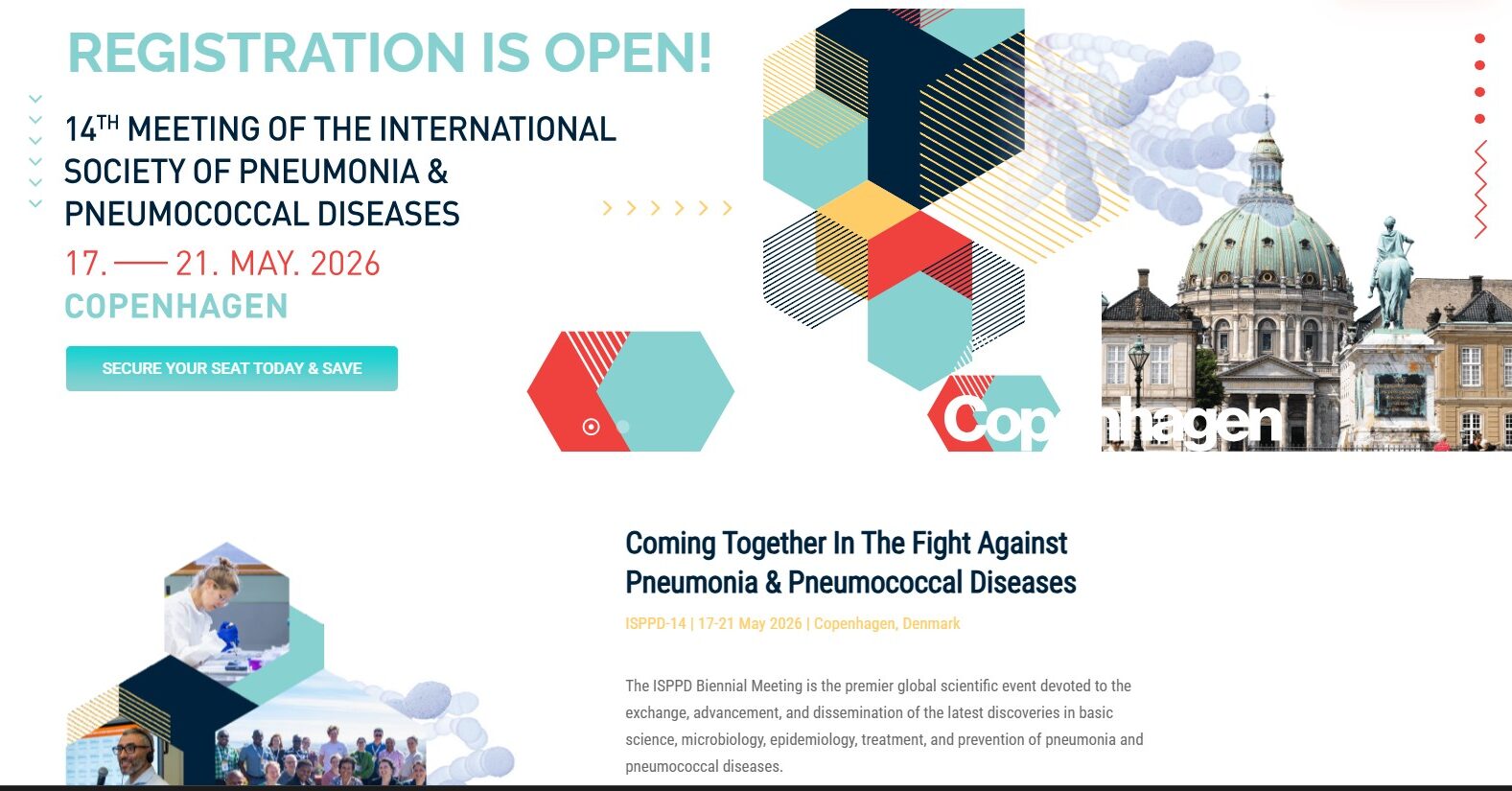
    The CPM Research Institute for Climate Health is proud to announce that three of our Research Associates have been awarded grants to attend and present their work at the 14th Meeting of the International Society of Pneumonia and Pneumococcal Diseases (ISPPD-14), taking place from 17–21 May 2026 in Copenhagen, Denmark.

    Importantly, each of the selected researchers has received a fully funded travel grant covering airfare, accommodation, conference registration, and feeding throughout the duration of the meeting. This comprehensive support ensures that financial barriers do not stand in the way of scientific exchange, allowing our researchers to focus entirely on presenting their findings, engaging with global experts, and building meaningful collaborations.

    This recognition reflects more than abstract acceptance. It represents rigorous, data-driven research from Southwestern Nigeria entering a global conversation on pneumonia, pneumococcal disease, climate variability, and antimicrobial resistance.

    From Local Clinical Ecosystems to Global Dialogue

    In many low-resource settings, infectious diseases do not behave in isolation. Climate patterns shift transmission dynamics. Antibiotic resistance complicates treatment. Pregnancy, malaria, and respiratory infections intersect in biologically complex ways. Understanding these interactions requires careful epidemiology, laboratory precision, and analytical modelling.

    At ISPPD-14, CPM Research Institute will be represented by three outstanding researchers whose work embodies this integrative approach.

    Advancing Evidence on Antimicrobial Resistance

    Ms. Olawumi Onaolapo’s abstract (#674) has been accepted for Poster Spotlight presentation:

    Antimicrobial Susceptibility of Pneumococcal Isolates in a Low-Resource Clinical Ecosystem: Evidence from a Multi-Centre Diagnostic Cohort in Southwestern Nigeria.

    Her research addresses one of the most pressing global health threats: antimicrobial resistance. By analyzing pneumococcal isolates across multiple clinical sites, the study provides essential susceptibility data from real-world diagnostic environments. In regions where laboratory capacity is often constrained, such evidence is crucial for guiding treatment protocols and antibiotic stewardship policies.

    When antibiotic resistance patterns shift, treatment guidelines must evolve. This work contributes to that evidence base.

    Climate-Sensitive Disease Shifts and Pneumonia Trends

    Mr. Eniola Akoledowo’s abstract (#650) has also been accepted for Poster Spotlight presentation in the session “Clinical Manifestations and Pneumonia”:

    “Climate-Sensitive Disease Shifts and the Rising Pneumonia Burden in Southwest Nigeria: A Multi-Site Analysis Using Heat-Map Modelling and Predictive Regression.”

    This study examines how climate variability may be influencing pneumonia incidence across multiple sites. Using heat-map modelling and predictive regression techniques, the research identifies emerging patterns that suggest environmental factors are shaping disease distribution.

    Climate change is often discussed in terms of temperature curves and rainfall anomalies. This study translates those shifts into epidemiological consequences. It explores how environmental changes can act as amplifiers for respiratory disease burden, especially in vulnerable populations.

    Integrating Malaria, Pregnancy, and Respiratory Vulnerability

    Ms. Tomilola Abodunrin’s abstract (#646) has been accepted for poster viewing:

    Climate-Driven Malaria in Pregnancy and Elevated Susceptibility to Respiratory Infections in Southwestern Nigeria: A Multi-Center Clinical and Pathogenomic Analysis.

    This research investigates the interaction between malaria during pregnancy and increased susceptibility to respiratory infections, within a climate-sensitive framework. By integrating clinical data with pathogenomic analysis, the study explores how environmental pressures may influence immune vulnerability.

    The work reflects a systems-level perspective: climate affects vector ecology; malaria affects maternal immune status; immune modulation may alter susceptibility to respiratory pathogens. Understanding these links is essential for designing adaptive public health interventions.

    A Milestone for Climate-Health Research

    Participation in ISPPD-14 underscores the growing global relevance of climate-health research emerging from Nigeria. It affirms that high-quality, multi-center data from low-resource ecosystems are essential to global disease control strategies.

    These grants not only support conference attendance but also strengthen international collaboration, scientific visibility, and knowledge exchange. The insights shared in Copenhagen will contribute to broader conversations about pneumonia control, antimicrobial stewardship, maternal health, and climate adaptation strategies.

    At CPM Research Institute for Climate Health, our mission is to generate evidence at the intersection of climate science, infectious disease epidemiology, and health systems research. The selection of these three Research Associates for ISPPD-14 reflects the strength of that mission.

    We congratulate Ms. Olawumi Onaolapo, Mr. Eniola Akoledowo, and Ms. Tomilola Abodunrin on this achievement and look forward to the impact their work will continue to make — locally, regionally, and globally.

    From Southwestern Nigeria to Copenhagen, the science travels. And with it, the commitment to advancing resilient health systems in a changing climate.